
Be Ready for natural Disasters: Essential Preparedness for Hurricanes, Wildfires, Earthquakes & Civil Unrest
Hurricanes: Formation, Travel, Destruction, and Preparedness
Hurricanes, also known as typhoons or cyclones depending on their geographic location, are among the most powerful and destructive weather phenomena on Earth. They represent a concentrated transfer of energy from warm ocean waters to the atmosphere, resulting in intense winds, torrential rainfall, and devastating storm surges.
Hurricane dynamics are as follow:
Formation:
Hurricanes begin as tropical disturbances in areas of low atmospheric pressure over warm ocean waters (typically exceeding 26.5°C / 80°F). As warm, moist air rises, it creates an area of even lower pressure, drawing in more air. This cycle intensifies, and the Coriolis effect (caused by Earth’s rotation) causes the system to spin. If conditions are favorable the warm water, the low wind shear (minimal change in wind speed or direction with altitude), and with sufficient distance from the equator, the disturbance can develop into a tropical depression, then a tropical storm (when they are given a name), and finally, a hurricane.
Travel:
Hurricanes generally move westward, guided by prevailing trade winds. However, their paths are notoriously unpredictable, influenced by high-pressure systems and other weather patterns. They often curve northward or northeastward as they approach land, sometimes making landfall hundreds of miles from their initial projected path. The Saffir-Simpson Hurricane Wind Scale categorizes hurricanes from 1 to 5, based on sustained wind speeds, providing an indication of potential damage.
Destruction:
The destructive power of a hurricane stems from several factors. Wind causes structural damage to buildings, uproots trees, and creates flying debris. Rainfall leads to inland flooding, often the deadliest aspect of a hurricane. Storm surge, a rise in sea level caused by the hurricane’s winds pushing water towards the shore, is responsible for the most significant coastal damage and loss of life. The combined effect of these forces can be catastrophic, causing widespread devastation and economic disruption.
Hurricane Preparedness
Weather Reports:
Reliable weather information is crucial for hurricane preparedness. Key sources include:
National Hurricane Center (NHC): Provides official forecasts, warnings, and tracking information.
National Weather Service (NWS): Offers local forecasts and warnings.
The Weather Channel/AccuWeather: Commercial providers offering detailed forecasts and tracking.
Local News Media: Provides localized updates and emergency information.
Pay attention to watches (conditions are possible) and warnings (conditions are expected). Understand the difference and heed the warnings.
Hurricane Preparedness:
Develop a Family Emergency Plan:
Outline evacuation routes, communication methods, and meeting locations.
Plan your next move here: Resilience Analysis and Planning Tool.
Build a Disaster Kit:
Include water (1 gallon per person per day for 3-7 days), non-perishable food, a first-aid kit, medications, a flashlight, batteries, a radio, and important documents in a safe container.
Secure Your Home:
Board up windows, reinforce doors, and bring loose objects indoors.
Evacuate If Ordered:
Follow the instructions of local authorities. Do not underestimate the danger.
Stay Informed:
Monitor weather reports and emergency broadcasts.
Follow storms in the gulf here: nhc.noaa.gov
Natural disasters like hurricanes can strike, bringing significant disruption and destruction, and death.
During recent hurricane seasons, a cascade of crises unfolded across the United States.
-
Power Grids: After Hurricane Harvey in Texas and later Hurricane Beryl, power grids collapsed for weeks, leaving hundreds of thousands without electricity.
-
Water Supply: In Puerto Rico, 90% of residents endured over a month without potable water following Hurricane Maria. Louisiana faced similar issues after Hurricane Katrina.
-
Housing Damage: Over five million homes were either damaged or demolished during the 2017–2021 hurricane seasons.
-
Roadways: After Hurricane Michael, many interstate miles remained impassable for weeks due to road and bridge closures.
-
Healthcare: During Hurricane Ida, over 70% of hospitals in Texas had to cancel elective procedures.
-
The psychological toll is profound: Twelve percent of adults affected by Hurricane Maria reported PTSD symptoms a year later, underscoring the enduring trauma that accompanies such natural disasters.
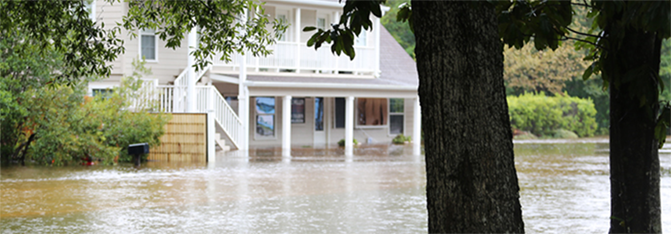
A flooded home in the south of the United States
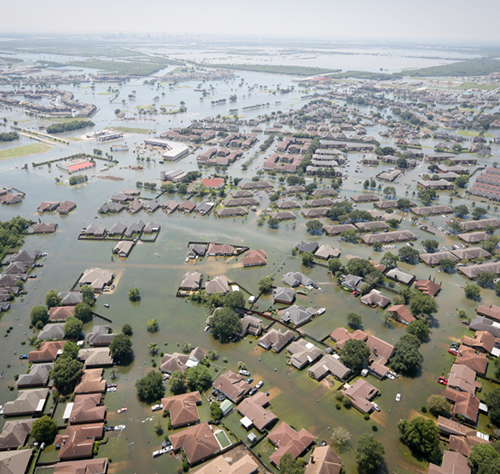
Floodding in Houston after hurricane Harvey
Beryl tracks in and damages electric infrastructure.


