
Be Ready for natural Disasters: Essential Preparedness for Hurricanes, Wildfires, Earthquakes & Civil Unrest
The Rising Tide: Understanding Floods in the United States
Floods are among the most common and costly natural disasters in the United States, impacting communities across the nation and causing billions of dollars in damage annually. While often perceived as slow-onset events, floods can manifest with devastating speed, transitioning from manageable inconvenience to catastrophic emergency within hours. Understanding the diverse mechanisms that generate floods, their propagation patterns, and effective mitigation strategies is crucial for safeguarding lives and property.
Mechanisms of Flood Generation
Flooding occurs when water overwhelms the capacity of natural or artificial drainage systems. The specific drivers of this overflow vary considerably, leading to distinct flood types
Coastal Surge Flooding:
Primarily driven by intense storms (hurricanes, nor’easters), coastal surges involve a rapid increase in sea level due to strong winds pushing water towards the shore. This inundation can be exacerbated by high tides and the shape of the coastline, resulting in widespread coastal flooding. The devastation caused by Hurricane Katrina in 2005 serves as a stark reminder of the destructive potential of coastal surges.
Riverine Flooding:
Occurs when excessive rainfall or snowmelt overwhelms the capacity of rivers and streams. This can be triggered by prolonged periods of precipitation, rapid snowmelt due to warm temperatures, or the failure of upstream dams or levees. Riverine floods typically develop more slowly than coastal surges, allowing for some degree of warning and evacuation. However, flash floods, which are characterized by rapid rises in water levels, can occur with little to no warning, posing a significant threat to life and property.
Reservoir/Dam Failures:
Dams and reservoirs play a critical role in water management and flood control. However, structural failures or operational errors can lead to catastrophic flooding downstream. Factors contributing to dam failures include aging infrastructure, inadequate maintenance, extreme weather events, and seismic activity. The failure of the Teton Dam in Idaho in 1976 resulted in significant property damage and loss of life.
Urban Flooding:
Characterized by localized flooding in urban areas due to inadequate drainage systems, impervious surfaces (roads, buildings), and heavy rainfall. Urban flooding can occur even in the absence of river overflows, posing a threat to infrastructure, transportation, and public safety.
Pluvial Flooding: Occurs when rainfall exceeds the capacity of urban drainage systems or the infiltration capacity of the ground. This often results in localized flash flooding, particularly in areas with steep slopes or poor drainage.
Mitigation and Preparedness
Riding the Rising Tide: A Guide to Flood Preparedness and Resilience:
Water, the source of life, can also be its most destructive force.
Throughout history, communities have been reshaped, and even erased, by the relentless surge of floodwaters.
Effective flood preparedness means a holistic approach encompassing risk assessment, proactive mitigation, and community resilience, enabling individuals and communities to navigate the rising tide with greater safety and confidence.
The increasing frequency and intensity of floods are a stark reality of our changing climate, compounded by urbanization and aging infrastructure.
To prepare effectively, one must first understand their individual risk. This begins with a local hazard assessment.
Consult FEMA flood maps and local government resources to determine if your property lies within a designated flood zone.
Consider the type of flooding most likely to impact your area. Is it riverine overflow, or a sudden flash flood; a coastal storm surge, or overwhelmed urban drainage? Each represents unique challenges.
Assess your personal vulnerabilities, your elevation, proximity to waterways, the construction of your home, and any accessibility needs of household members.
Knowing your specific risks allows for targeted preparation.
Sign up for local emergency alerts and learn to interpret flood warnings understanding the difference between a “flood watch” and a “flood warning” can be life-saving.
Once you understand your risk, proactive mitigation becomes paramount.
Protecting your property begins with structural measures.
Pay attention to the elevation of critical devices.
Elevating utilities like your furnace, water heater, and electrical panel above the potential flood level is an important step.
Installing sump pumps with battery backups ensures continued operation during power outages.
Sealing basement walls and windows prevents water intrusion, and installing backflow valves prevents sewage backups safeguarding public health.
Beyond the structure itself, landscaping can play a vital role in flood control.
Grading your property to direct water away from your home, ditches, creating rain gardens to absorb excess runoff, and utilizing permeable pavements can all reduce the impact of flooding.
Don't overlook the importance of flood insurance.
Even if you’re not in a designated flood zone, a significant rainfall event can cause damage, and standard homeowner’s insurance typically doesn’t cover flood damage. Flood insurance isn't merely a financial safeguard; it's a recognition of the inherent uncertainty of living near water.
Preparation extends beyond physical safeguards.
An emergency kit, or “go-bag,” is essential.
This should include a three-day supply of water (one gallon per person per day), non-perishable food, a first-aid kit, necessary medications, a flashlight, a battery-powered or hand-crank radio, extra batteries, copies of important documents in a waterproof container, and cash.
A well-defined evacuation plan.
Identify designated evacuation routes and meeting points for family members. Practice the plan regularly, ensuring everyone knows what to do in the event of a flood. Establish a family communication plan, designating an out-of-state contact person who can serve as a central point of communication. Remember to include provisions for pets as they are vulnerable members of the family too.
A well practiced evacuation plan puts you in control in the face of chaos.
Finally, building community resilience is vital. Knowing your neighbors and establishing a neighborhood emergency network can provide invaluable support during a flood.
Volunteer with local organizations involved in flood preparedness efforts.
Share your knowledge and resources with others.
Advocate for long-term planning and infrastructure improvements that address flood risks.
Floods are a natural part of the hydrological cycle, but their impact on communities can be mitigated through proactive preparation and collective action. By embracing a holistic approach to flood preparedness, we can navigate the rising tide with greater safety, confidence, and resilience, ensuring that our communities not only survive, but thrive, in the face of adversity.
These are some significant floods in the last 10 years.
2015
October 2015 South Carolina Floods:
-
Location: South Carolina, North Carolina, New York, Florida, New Brunswick
-
Deaths: 25 total (19 in South Carolina, 2 in New York, 2 in North Carolina, 1 in Florida, 1 in New Brunswick)
-
Damage: $2 billion
Extratropical storm caused historic flash flooding; considered a 1-in-1000-year event; moisture from Hurricane Joaquin contributed to rainfall.
September 2015 Utah Floods:
- Location: Southern Utah (Zion National Park, Hildale)
- Deaths: 16-20 people
Details: Heavy rain from remnants of Hurricane Linda caused flash floods.
December 2015 Missouri Floods:
- Location: Missouri (especially southwestern Missouri and Ozarks)
- Deaths: 13
2016
June 2016 West Virginia Floods:
- Date: June 23, 2016
- Location: West Virginia (Greenbrier, Kanawha, Jackson, Ohio counties)
- Deaths: 23 people
- Damage: $1.2 billiontails: Deadliest flash flood in U.S. history since 2010 Tennessee floods; 8-10 inches of rainfall over 12 hours.
August 2016 Louisiana Floods:
- Location: Louisiana (multiple parishes)
- Deaths: At least 60 people
- Damage: Over $10 billion
Prolonged rainfall from unpredictable storm; rainfall exceeded 20 inches in multiple parishes; Amite and Comite rivers reached record levels; governor called it "historic, unprecedented flooding event.
2017
July 2017 Payson Floods (Ellison Creek):
- Location: Gila County, Arizona (near Payson)
- Deaths: 10 people (including 5 children)
Ellison Creek flooding hit a popular hiking trail; one of the deadliest floods in Gila County history.
August-September 2017 Hurricane Harvey:
- Location: Southeastern Texas and Southern Louisiana (especially Houston and Beaumont-Port Arthur metro areas)
- Deaths: At least 70 individuals
Over 50 inches of rain in some places; over 80% of deaths associated with drowning; more than 70% of Houston deaths occurred outside designated flood risk areas; Harvey stalled over the region for days.
2021
August 2021 Tennessee Floods:
- Date: August 21, 2021
- Location: Western Middle Tennessee (Humphreys County - especially McEwen and Waverly)
- Deaths: 20 people
Flash flooding along Trace Creek destroyed many homes and businesses; storms riding along stationary front.
September 2021 Northeastern United States Floods (Hurricane Ida):
- Date: September 1-2, 2021
- Location: Northeastern United States (New Jersey, New York, Pennsylvania, Maryland, Connecticut)
- Deaths: At least 55 people
- Damage: $16-24 billion (CoreLogic); $18-22.5 billion (NHC median estimate)
Hurricane Ida's extratropical remnants caused catastrophic river and flash flooding; spawned tornado outbreak including first-ever tornado emergency for Northeastern U.S.
2022
July-August 2022 Nationwide Floods:
- Locations: Missouri, Illinois (Greater St. Louis), Eastern Kentucky, Southwest Virginia, West Virginia, Las Vegas Valley
- Deaths: 41 people total (39 in Kentucky on July 28, 2 in Missouri on July 26)
St. Louis broke 1915 record for most rainfall in 24 hours; historic flooding in central Appalachia; state of emergency declared in Kentucky; additional fatality during cleanup in September.
December 2022-March 2023 California Floods:
- Locations: Southern California, California Central Coast, Northern California, Nevada
- Deaths: At least 22 fatalities
- Details: Multiple atmospheric rivers caused flooding; at least 200,000 homes and businesses lost power; 6,000 individuals ordered to evacuate; President Biden declared state of emergency.
2024
September 2024 Hurricane Helene:
- Date: September 24-29, 2024 (landfall September 26)
- Location: Southeastern United States (especially Florida, North Carolina, Georgia, Tennessee)
- Deaths: 252 total (at least 176 direct deaths)
- Damage: $78.7 billion
Deadliest Atlantic hurricane since Hurricane Maria (2017); deadliest to strike mainland U.S. since Hurricane Katrina (2005); strongest hurricane on record to strike Florida's Big Bend region; catastrophic rainfall-triggered flooding in Western North Carolina, East Tennessee, and southwestern Virginia; made landfall as Category 4 with 140 mph winds; fifth-costliest Atlantic hurricane on record.
2025
February 15-16, 2025 Floods:
- Locations: Kentucky, West Virginia, Tennessee, Virginia
- Deaths: At least 18 people
Details: Storm system brought flash flooding and tornadoes.
July 4-7, 2025 Central Texas Floods:
- Date: July 4, 2025 (primary event)
- Location: Hill Country region of Texas (especially Kerr County)
- Deaths: At least 135 people (at least 117 in Kerr County, 9 in Travis County, 3 in Williamson County, 5 in Burnet County)
Deadliest inland flooding event in U.S. since 1976 Big Thompson River flood; surpassed Hurricane Helene inland flooding deaths; Guadalupe River rose 26 feet in 45 minutes; equivalent of 4 months of rain fell in a few hours; highest rain total 20.33 inches; more than 20 children declared missing from summer camp in Hunt area; caused by mesoscale convective vortex with enhanced tropical moisture; six flash flood emergencies issued; 10th-deadliest flash flood in U.S. history.
Floods can occur slowly or come fast.
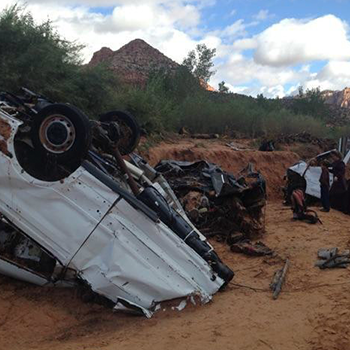
2015 Hildale, Utah, flash flood aftermath.
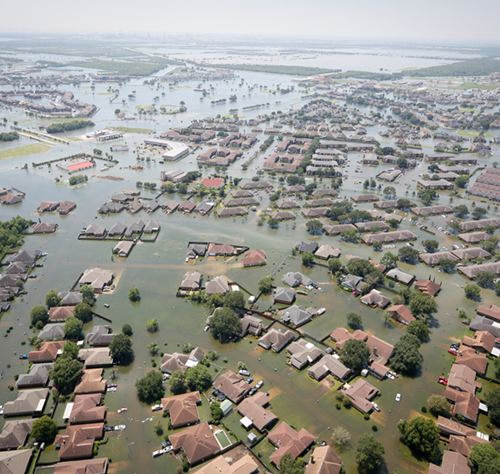
Floodding in Houston after hurricane Harvey.
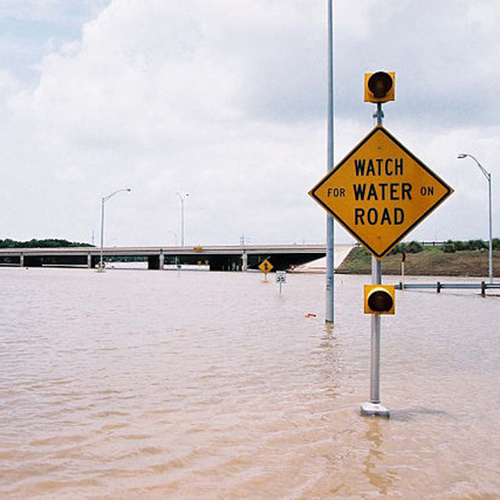
Floodding closes roads in Texas.
Hurricane Helene Brings Devastating Floods to North Carolina.
Hurricane Helene Brings Heavy Rains to North Carolina.
Hill Country Floods in texas claimed 135 lives.


